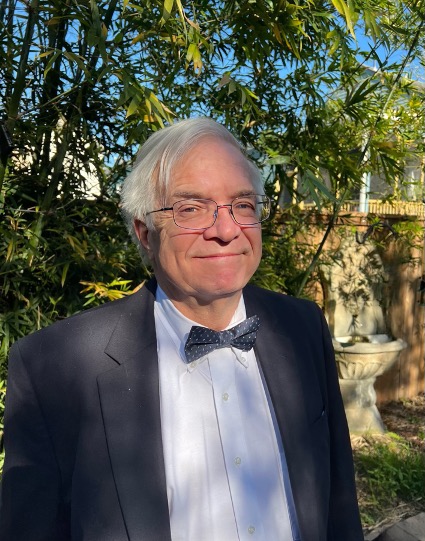
 This year, the Society of Ethnobiology’s highest recognition of lifetime achievement, the Distinguished Ethnobiologist Award, has been awarded to Dr. William Balée. On behalf of the award committee, Bill, please accept our heartfelt congratulations and appreciation for your innumerous contributions to the field and Society!
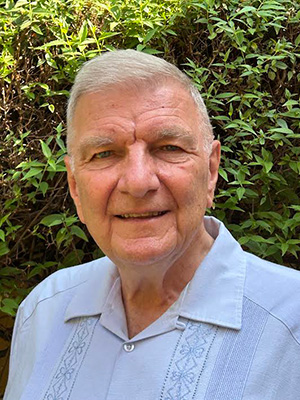 It is with great pleasure that we announce the 2026 Distinguished Ethnobiologist is Dr. Robert A. Bye Jr. As described by his colleagues in his nomination letter, Bob has been a part of the society and its meetings from the beginning. He has served on the Journal of Ethnobiology editorial board, the Board of Trustees, and hosted the SoE's first bilingual, international conference in Mexico. Please join us at the Annual Meeting in Sewanne to celebrate Bob’s distinguished career and long commitment to the Society of Ethnobiology!
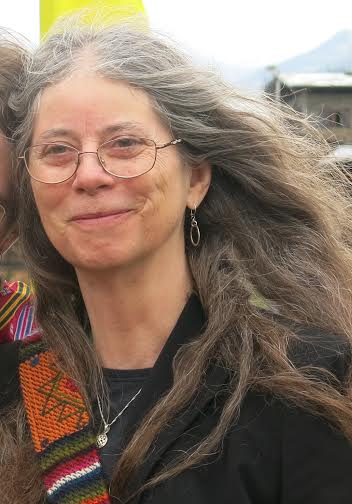 It is our distinct pleasure to announce this year’s Distinguished Ethnobiologist, Dr. Leslie Main Johnson, Professor Emerita of Anthropology at Athabasca University. Join us in celebrating her remarkable career in ethnobiology, virtually or in-person in beautiful Incline Village, Lake Tahoe this May!
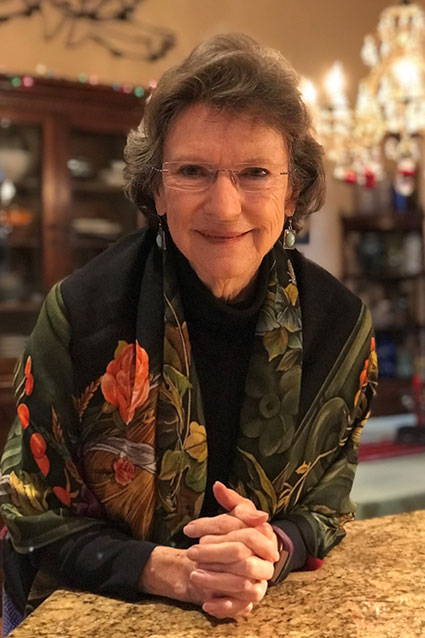 We are pleased to announce that the 2024 Distinguished Ethnobiologist is Dr. Harriet Kuhnlein. Please join us in St. Louis to celebrate her outstanding career in ethnobiology!